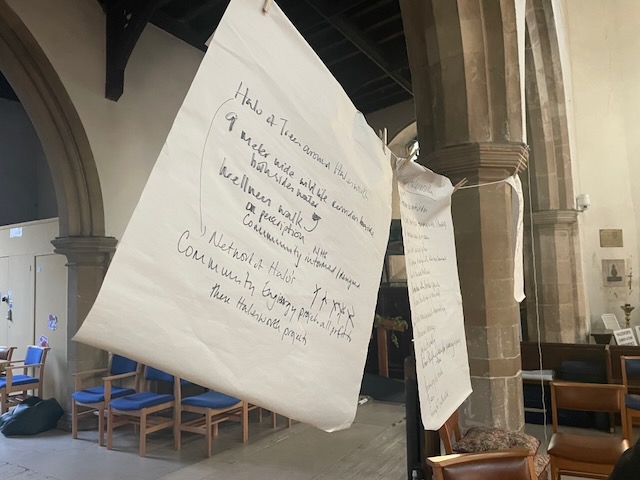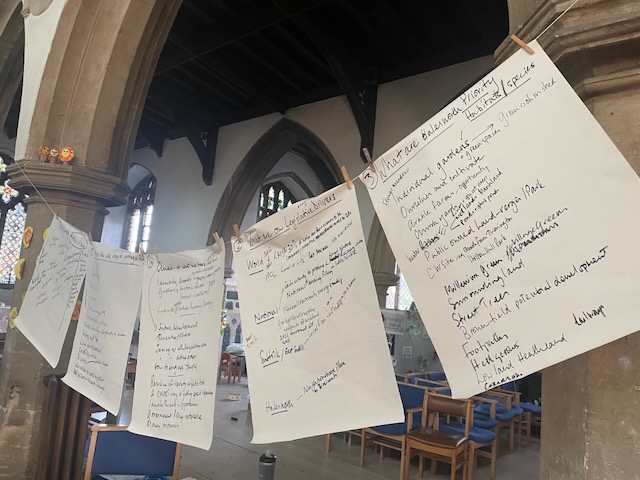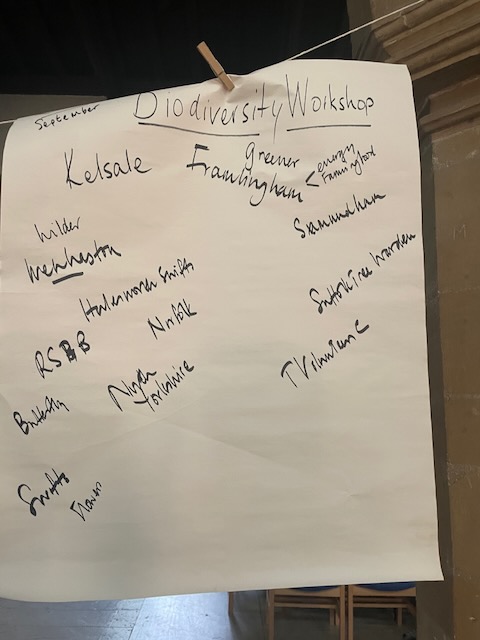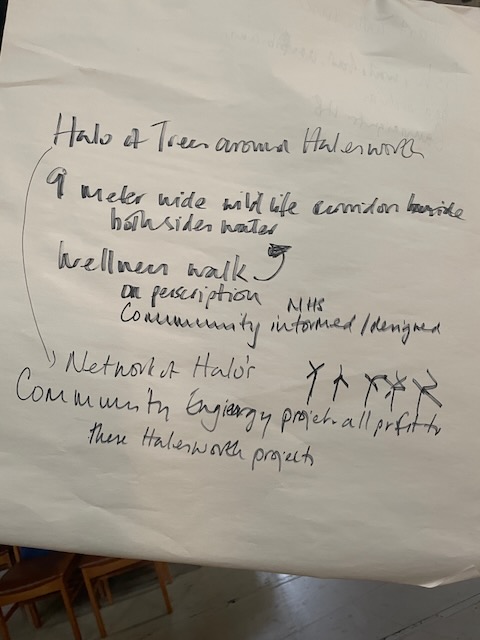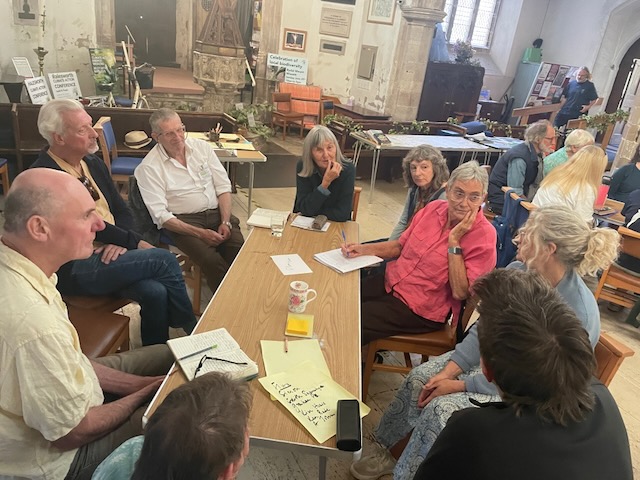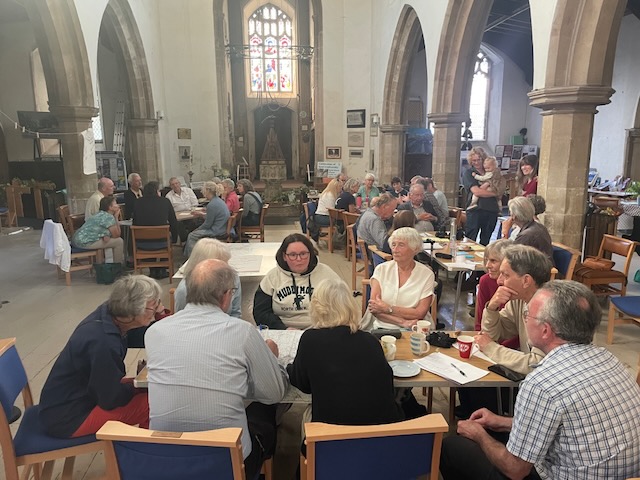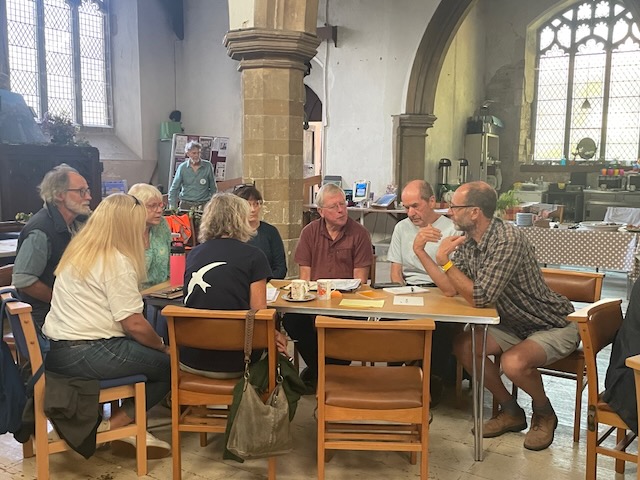
Can we do it, can we create a biodiversity plan that is creative, imaginative, attainable, useful, AND crossing parish boundaries, linking corridors, and collaborating?
Although formally restricted to Halesworth Parish, the ecological context of the project extends well beyond its administrative boundaries. Like any biome, the boundaries of the natural environment are fluid rather than fixed. The River Blyth, for example, runs through numerous parishes, and efforts to control Himalayan balsam within Halesworth’s catchment—however successful locally—will have limited long-term impact if the species continues to spread from upstream catchments where no equivalent action is being taken.
This project potential project – its up to you – will therefore be rooted in Halesworth while taking a wider, catchment-based and landscape-scale approach, involving directly the 8 neighbouring Parishes (Spexhall, Wissett, Chediston, Cookley, Walpole, Wenhaston, Holton and Westhall and Blyford). And potentially with our sister market towns of Bungay and Beccles, with whom Halesworth is already developing relationships through Community Partnership and Heritage Tree projects. All were invited here to this workshop.
Halesworth Town Council is required to develop a Biodiversity Action Plan (BAP), and neighbouring parishes are likely to face similar challenges. Can our baseline data, methods, templates, successes and lessons learned in Halesworth and other villages /towns can be shared with and adapted by other communities? A practical example is the Halesworth Heritage Tree format and associated GIS mapping, which has taken two years to develop and refine, which can readily be shared and emulated by other parishes, reducing duplication of effort and enabling neighbouring communities to build upon the work already undertaken.
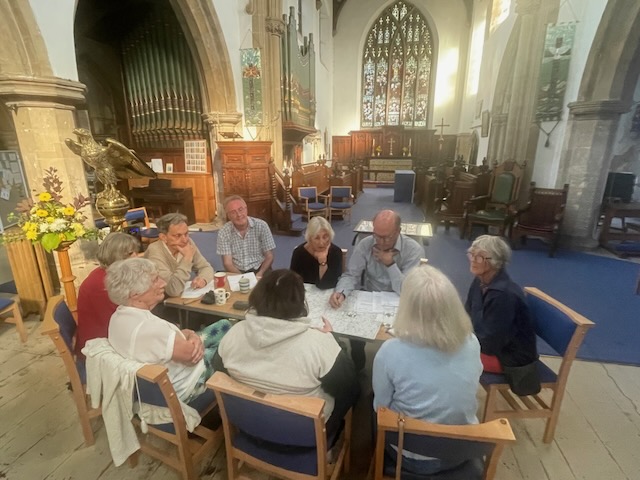
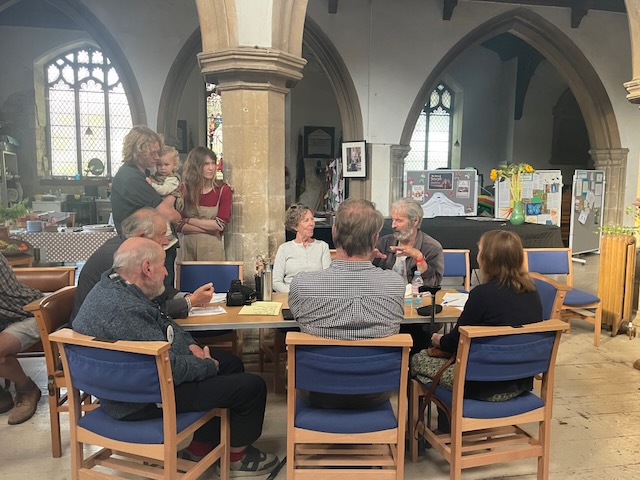
The workshop was based on 5 questions
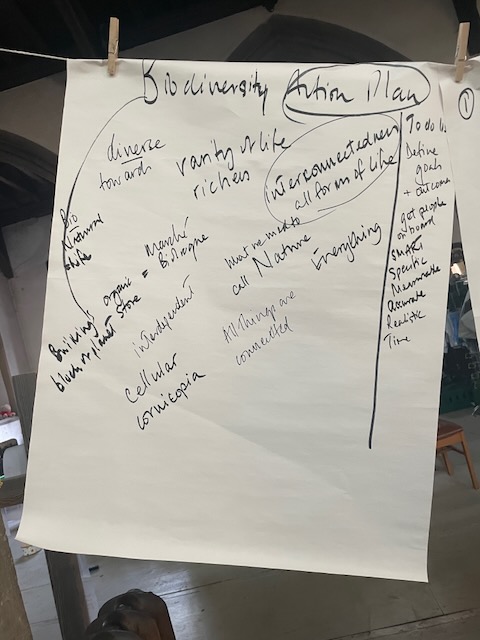
0. We first tried to define BIODIVERSITY and ACTION PLAN
See charts below.
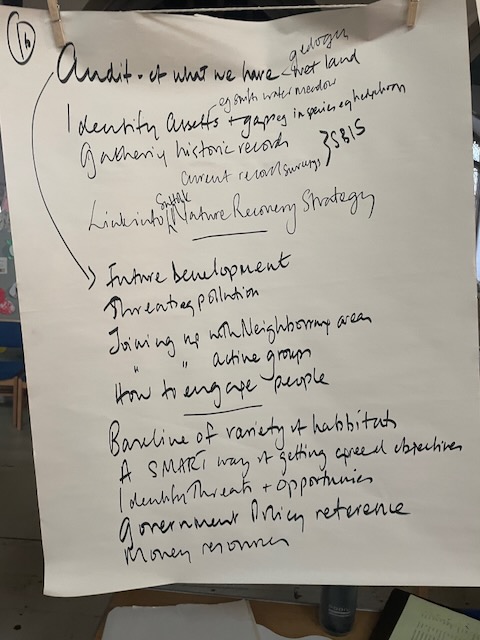
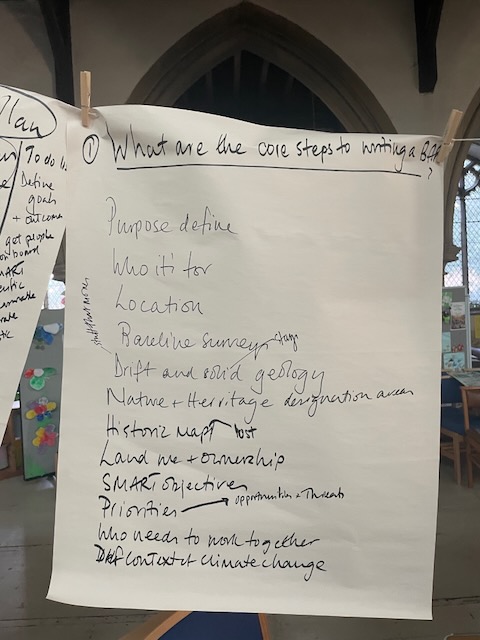
1. What are the Core Steps to a Biodiversity Action Plan?
What aspects do we need to include?
a. Assess Baseline Conditions
Survey your site or area to record existing habitats, native plants, and priority species.
b. Consult Stakeholders: Involve local communities, experts, or professional ecologists to identify main conservation priorities.
c. Set Clear Objectives: Create specific, measurable, achievable, relevant, and time-bound (SMART) targets for restoration or protection.
d. Define Concrete Actions: Detail exact tasks—such as removing invasive species or planting native trees—rather than vague goals.
e. Assign Accountability and Resources: Estimate necessary budgets, outline required resources, and assign a specific person or role in charge of each task.
f. Monitor and Review: Establish tracking methods to evaluate success, review progress regularly, and adjust the plan as needed
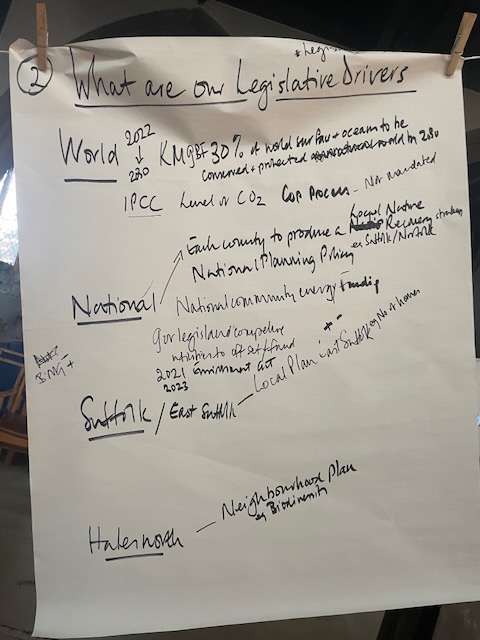
2. What are our Legislative Drivers? – Global /National/Local/Halesworth
World
- Convention on Biological Diversity (CBD): Signed in 1992 and ratified by 196 nations (excluding the US), focusing on ecosystem conservation, sustainable use, and equitable benefit-sharing.
- Kunming-Montreal Global Biodiversity Framework (KMGBF): Adopted in 2022, setting the “30 by 30” target to protect 30% of global land and oceans by 2030. Recent 2026 assessments indicate countries are currently falling short of these goals
- Biodiversity Beyond National Jurisdiction (BBNJ) Agreement: Also known as the High Seas Treaty, it provides a legal framework to protect marine life in international waters.
National:
- Under 2021 Environment Act public authorities (including town and parish councils)
must consider what they can do to conserve and enhance biodiversity.
Government guidelines published May 2023 clarifies that as a public authority town and councils must consider what they can do to conserve and enhance biodiversity.
UK Biodiversity Net Gain (BNG): Mandates a 10% measurable increase in biodiversity for new developments under the Environment Act.
Local – Suffolk CC / East Suffolk
- Under 2021 Environment Act public authorities (including town and parish councils)
must consider what they can do to conserve and enhance biodiversity. Government
guidelines published May 2023 clarifies that as a public authority town and councils
must consider what they can do to conserve and enhance biodiversity. - Suffolk Biodiversity Information Services
- Local Nature Recovery Strategies in England are a new approach to restoring and protecting nature.
Halesworth
- As Halesworth Town Council, we are taking over responsibility for a series of over
open spaces with an imminent asset transfer. These, together with East Suffolk
Council, Suffolk County Council land and private land, form an important part of our
biodiversity patchwork quilt of our town. - Neighbourhood plan / HTC 4 year strategy
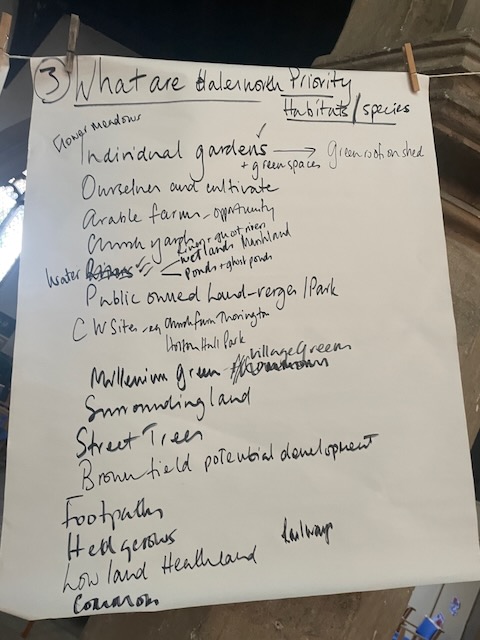
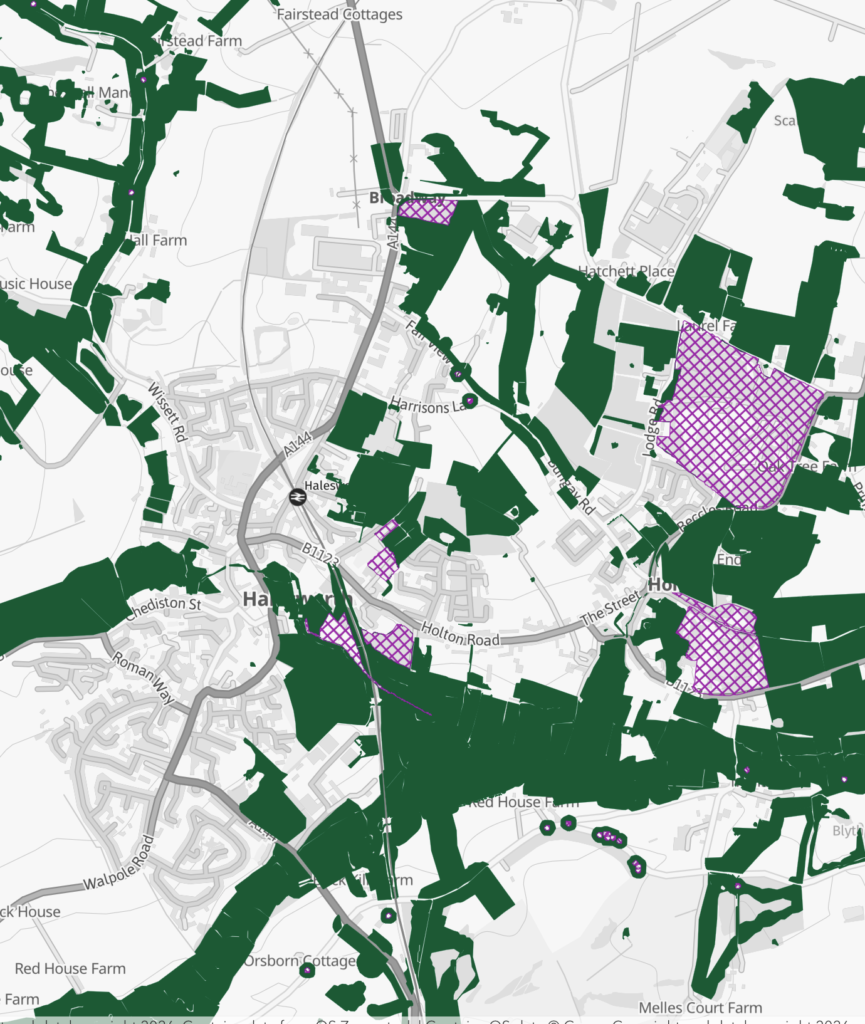
3. What are our priority habitats and species?
Already defined important wildlife sites, priority habitats and species of international, national and local importance that are found within the land to be targeted by the BAP
- Internationally important wildlife sites (i.e Ramsar sites (Wetlands of International Importance),
- Special Areas of Conservation (SAC), Special Protected Areas (SPAs)): None
- Nationally important wildlife sites (i.e Site of Special Scientific Interest (SSSI), Local Nature
- Reserve):
- Locally important wildlife sites (i.e Site of Nature Conservation Interest (SNCI) Wildlife conservation sites (HHP County Wildlife Site/ Pits SSSI sites of known biodiversity importance/ County Wildlife Site (CWS) / SSSI
eg Cemetery / Holton Hall Park
4. What are our threats to biodiversity
- Climate change
- Road traffic and pollution (including light pollution)
- The invasive plants such as Himalayan balsam and parrot’s-feather, giant hogweed, New Zealand pigmyweed, Nuttall’s waterweed, rhododendron and Virginia creeper have all been found on the urban estate
- urban encroachment and road expansion
- Deer, rabbits, grey squirrel,
- Tree disease ash dieback, acute oak decline, Agrilus beetles, Dutch elm
- pesticide use and eutrophication
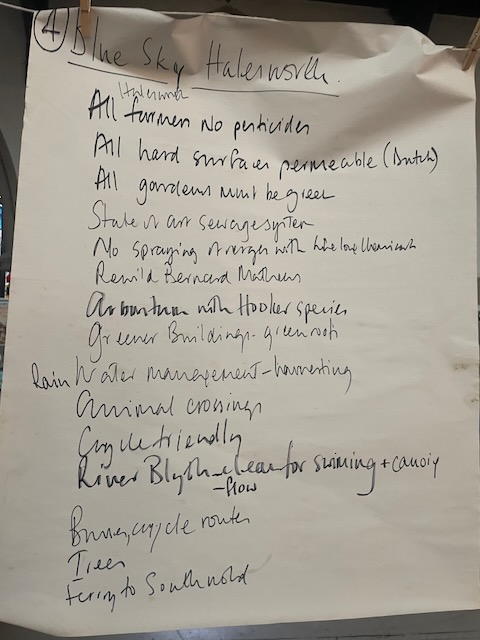
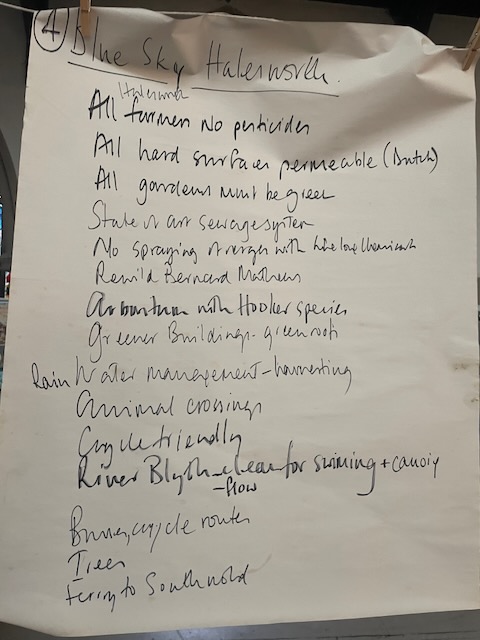
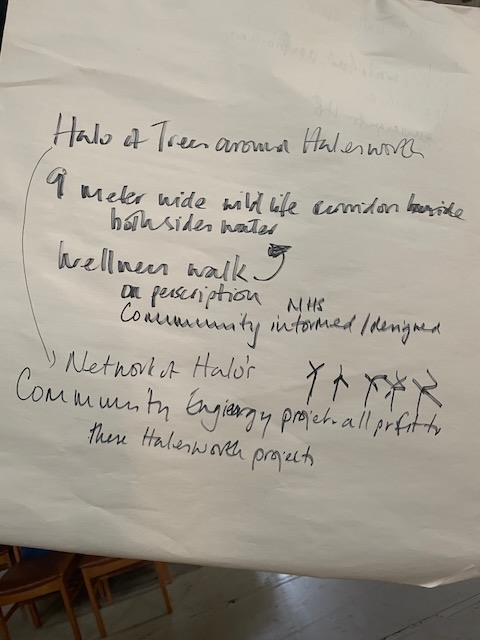
5. Blue Sky Halesworth
6. Shall we collaborate?
YES!
And the Millennium Green wants young people to join it.