- Improving insulation to reduce your energy consumption for heating
- Generating your own electricity with photovoltaics (PV) on your roof (or other location)
- Solar thermal panels on your roof to directly heat hot water
- An induction hob for cooking
- Installing a heat pump in place of a gas or oil boiler to supply hot water and heating
Energy HaleswortH
What can I do to reduce my bills, make my home warmer? Confused how or where to apply for funding? Uncertain if you can apply?
We sympathise. That’s why we have an Energy Champion to help us navigate through new energy systems and funding options.
William Poulsen, who works part time for Halesworth ASH, is our energy champion.
He offers free and impartial home energy advice on a range of topics, providing knowledgeable and trusted support.
See below Williams current advice.
If you can, please fill in this form, to help us find your solution.
CURRENT ADVICE
re Energy
From our Energy Champion
August 2026
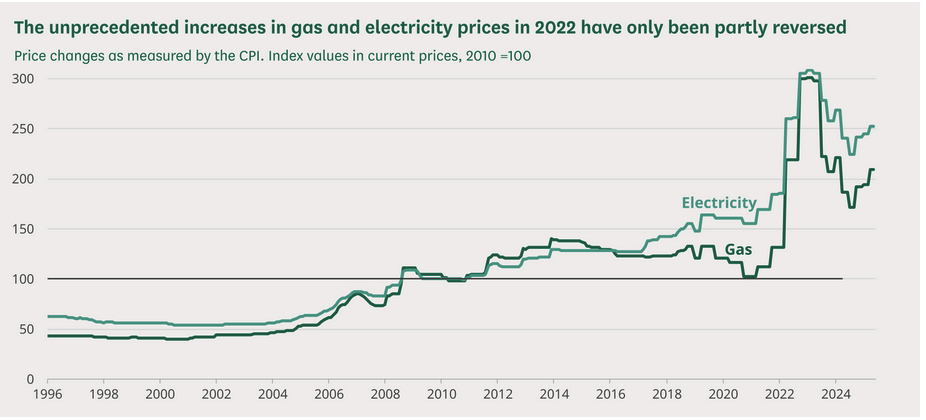
We are still waiting for response from the government and East Suffolk County Council regarding their strategy for delivering the Warm Homes Plan. Meanwhile this is what is around to support East Suffolk community with energy.
- Grant support is very limited at the moment. The Warm Homes scheme was the main grant route, but the Suffolk version appears to be paused until at least September. (There is a possibility that future support may lean more toward finance packages rather than direct grants.)
- The main active option right now is Lendology, which is a loan rather than a grant.
Suffolk may be ahead of the curve if Lendology becomes similar to models used more widely elsewhere. This is expected to be available in East Suffolk in August 2026. By inspection, the payback period could well be within the loan period and , with a very low interest loan, the payments will be offset by the savings made, in a well chosen and designed system. - Sustainable Suffolk are promoting a “Switch Together” scheme whereby group buying may reveal cost savings
Lendology Loan Scheme
- Expected to reopen for the wider Suffolk area in August : West Suffolk reopened from mid‑July.
- Around 2% interest, borrowing up to £15,000, repayable over up to 7 years.
- A restriction is placed on the property register for the duration of the loan.
- Can cover measures such as solar panels, heat pumps, and some insulation.
- Requires two quotes as part of the application process.
- See https://www.lendology.org.uk/partner/suffolk-council/
How it could work for residents
- Lendology could be used to cover the customer contribution left after the Boiler Upgrade Scheme on a heat pump installation.
- A hybrid route could be adopted: using Lendology for solar, and personal finance options, plus the Boiler Upgrade Scheme for the heat pump.
- A free energy‑efficiency assessment could be part of the package with Retrofit&Coordination to show what upgrades may suit the property and what impact they could have on bills.
Meanwhile please fill in our form, and we can get back to you
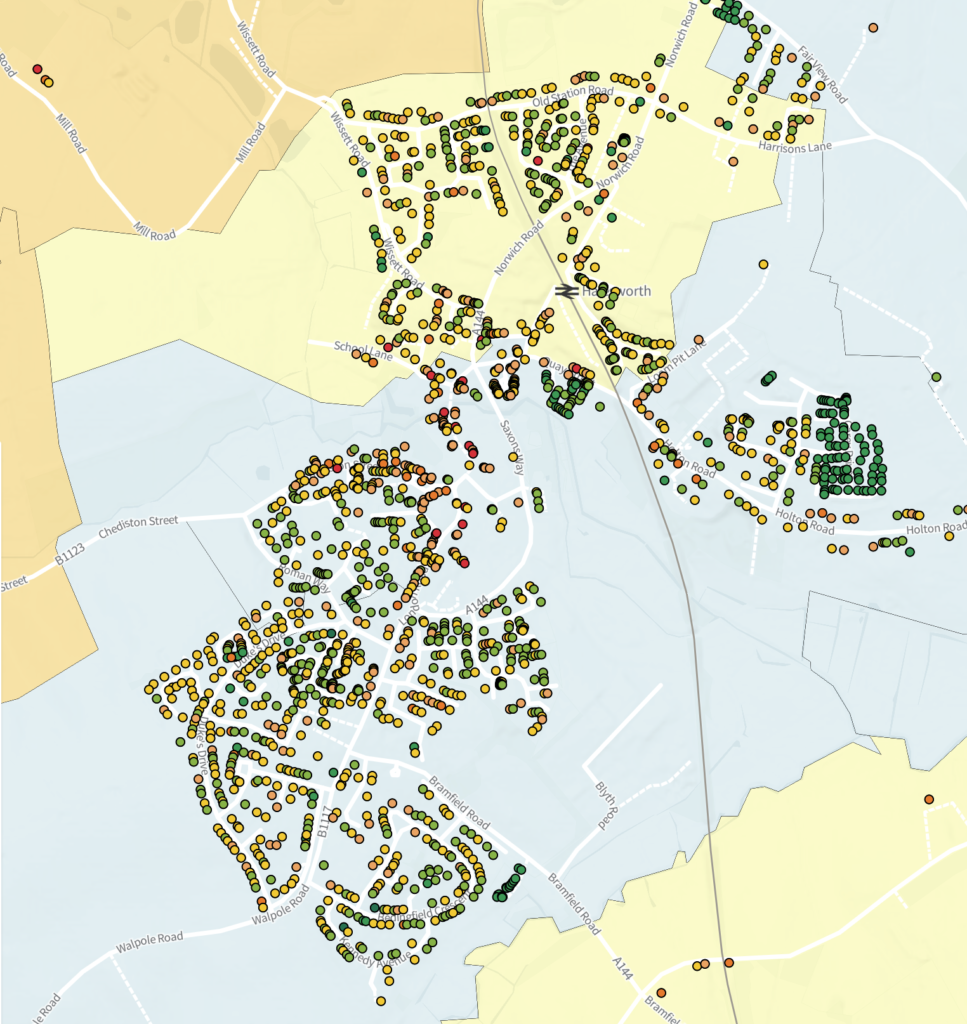
2025 Halesworth’s
Baseline Study
by Opergy
The summary report from Opergy is here
Some highlights of our baseline:
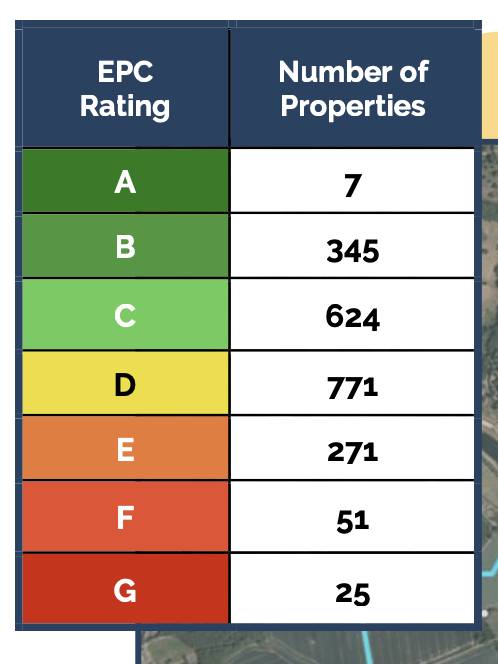
- 43% of all Halesworth emissions are domestic. We can change that. Of the 2,700 homes in Halesworth, more than 50% are rated D efficiency or below.
- The ~600 homes without EPCs are likely to be older and less efficient
- Only 2% of cars in Halesworth are Electric – a relatively low percentage.
THE BIG story is
- All of Halesworth’s energy could be provided by the 5 large wind turbines – just like the ones owned by Bernard Matthews on Holton airfield. The Holton Turbines have a combined 23MW capacity. At an average of 25% capacity, this would produce 50GW electricity per year. The Opergy study shows that Halesworth uses 56GW of electricity per year. If heat pumps replaced gas/oil this would mean a similar turbine project would cover Halesworths energy needs. This shows how it is possible to see how just a single project might create a cleaner, greener, Halesworth. Naturally many smaller changes can, and will, make a difference.
FULL OPERGY REPORT HERE
First Steps and resources
2026 Jan – Energy Efficient Assessment
An Energy Efficiency Assessment – sometimes known as a retrofit assessment – is the crucial first step to fixing this. Suffolk councils are offering free or funded access to the assessment as part of the Warm Homes Suffolk campaign. Energy Assessment – With Warm Homes Suffolk, you can get this assessment completely for free if your home is under 98m² and has an EPC rating of below C or your home is unrated.
Local Retroft organisation based in Norwich:
Which? Home energy planning service
An impressive resource which not only finds your EPC but also information specific to your home and and assesses areas you can improve your heating and save yourself money. Highly recommended.
Carbon Calculators
One of the ways we can start looking at our impact on the planet is to use a carbon calculator. There are many different ones, some very easy to use, some more complex, but they all help identify the areas we could work on, enabling us to tread more lightly.
Here’s a brief list of a few that we think are worth a try:
- ClimateHero
- Carbon Independent
- Earth Hero (app)
- Giki Zero (app and website – note that this website may not work with Apple Safari browser)
Impact tool
For understanding the carbon footprint of your community at a high level, you can use the Impact Tool which gives you per person and parish wide footprints for what we call Consumption (the climate impact of your activity no matter where the emissions are released) and Territorial (the emissions incurred locally).
For understanding the carbon footprint of your community at a high level, you can use the Impact Tool which gives you per person and parish wide footprints for what we call Consumption (the climate impact of your activity no matter where the emissions are released) and Territorial (the emissions incurred locally).
Legacy Calculator
For a more detailed look at the Town/Parish – the legacy calculator is a map based tool that combines energy, housing, transport, consumption into one big visual carbon tool – you can search for Halesworth and then there are different layers and geographies you can set.
For a more detailed look at the Town/Parish – the legacy calculator is a map based tool that combines energy, housing, transport, consumption into one big visual carbon tool – you can search for Halesworth and then there are different layers and geographies you can set.
There are also a set of new tools (all free and updated) including the retrofit explorer, which again are map based, and you can look at energy performance of properties in the parish etc.
Solar Wizard is a nice tool, free to use, which generates a model of what size solar PV system you could get on your property, how much it might cost, how much it would generate and pay back etc. Great starting point for building interest in solar. A good one to do a demo with people at an event
Get a heat pump
Does what it says a tin – a place to go if you are thinking about getting a heat pump! There are some good forums as well, but they can get into technical things quickly.
Does what it says a tin – a place to go if you are thinking about getting a heat pump! There are some good forums as well, but they can get into technical things quickly.
Visit a Heat Pump
This is an open homes network just for heat pumps run by NESTA. There aren’t any registered in Halesworth properties on here yet. Nearest is Peasenhall.
This is an open homes network just for heat pumps run by NESTA. There aren’t any registered in Halesworth properties on here yet. Nearest is Peasenhall.
Open homes model
Running in Cambridge. Can we do one in Halesworth?
Running in Cambridge. Can we do one in Halesworth?
Our Power community Energy Energy champion model
Energy Saving Trust – good impartial advice
Centre of Sustainable Energy has a lot of great resources, but especially around community energy:
National Grid Live – shows how the UK generates electricity per day. Fascinating charts and statistics
Actions you can take
The Suffolk“Switch Together” scheme on the Sustainable Suffolk website is backed by the due diligence of the councils, so you can be confident that they’ve looked at value/service/reliability.
If you have any recommended suppliers please let us know and we will share them here.
Insulation, Insulation Insulation…
The most effective action you can take is to ensure your home is insulated. You will use less energy to heat it. There are state of the art (NASA standard!) materials that provide very effective insulation. Typically, 30-35% of the heat will be lost through uninsulated walls, 20-25% through the roof and 10% through the floor. Insulating your loft, attic or flat roof is a simple and effective way to reduce heat loss and reduce your heating bills.
Electric radiators
New technology for electric heaters is far more efficient and like LED lighting, costs less money to run. Various systems exist, for example HeatCore technology allows individual temperature settings in each room, giving homeowners complete autonomy over their comfort and energy usage.
Fischer Electric Heat Core Radiators are an example of new technology radiators.
Solar energy generation
Various solar systems for roofs, or ground mounted. With or without batteries.
Air Sourced Heat Pumps
Working with insulation and solar, these are most effective economically as they need insulation and use electricity. Government grants of £7500 are available for Air Source Heat Pumps for properties with an EPC of C or above.
While we cannot guarantee any company, through others experience, we have these recommendations
Phil from Conga systems came and talked at our Energy Conference.
Grants and funding
Beware of scams, of misleading information, of commercial organisations that do not tell you about grants available. If in doubt, contact us and our Energy Champion.
Criteria: Different funding options have different criteria. For example, if you are on benefits, if your income is below £30,000, if you have a life inhibiting illness, if you have an EPC of F or below, if you are using oil for heating. These are just examples. Don’t forget – our Energy Champion can help you.
Meanwhile…
Sustainable Suffolk: A handy list of funding available to community groups in Suffolk.
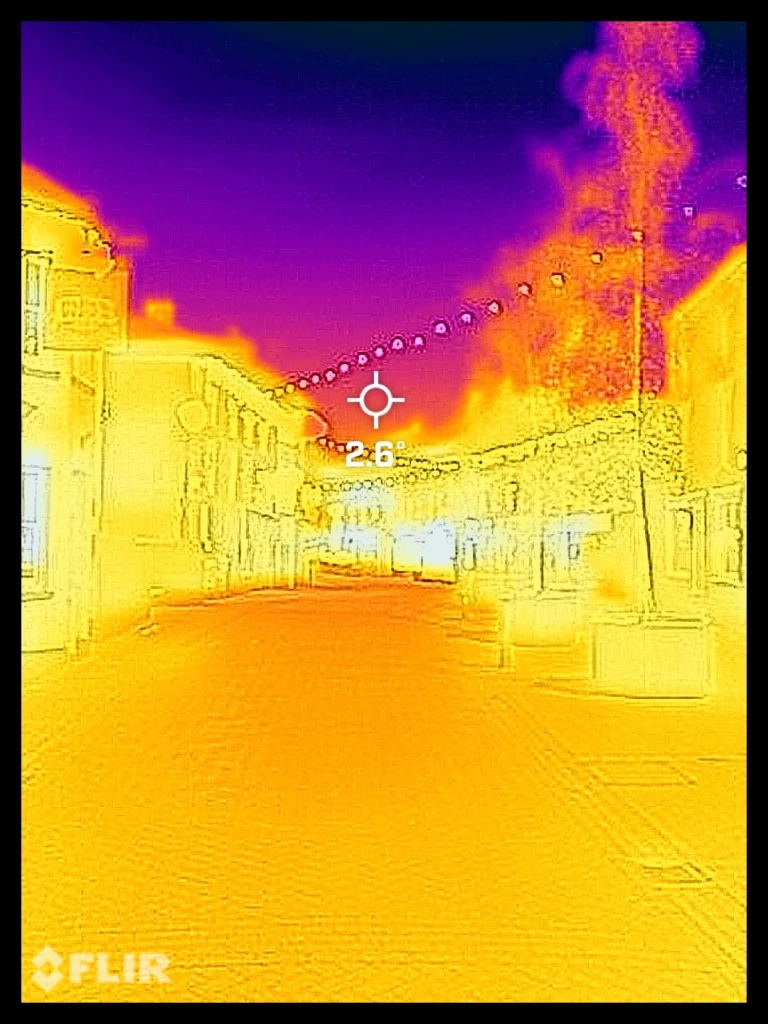
Keep the Heat (also Sustainable Suffolk) by booking the Thermal Imaging Camera
Energy Assessment – With Warm Homes Suffolk, you can get this assessment completely for free if your home is under 98m² and has an EPC rating of below C or your home is unrated.
Loft Insulation – the Government’s recommended thickness is 270mm. Loft insulation doesn’t just help in the winter, it also acts as a barrier against the summer sun, helping to keep your home cooler in the warmer months.
…
Energy Saving Trust information
Warm Homes Suffolk – Active mid 2026
Awaiting information. (August 2026)
What can I do today in my home, that will make a difference, to me and our climate?
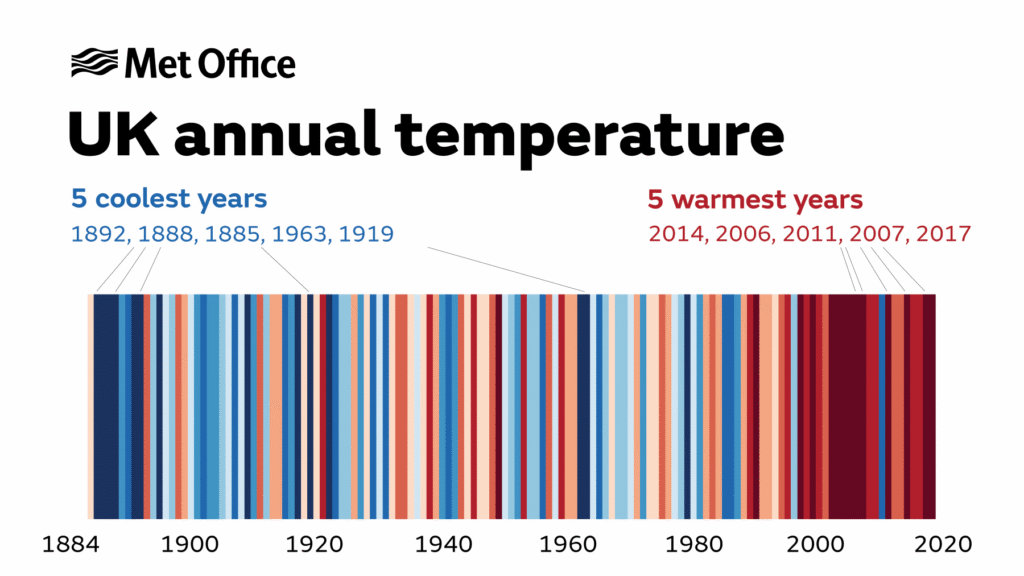
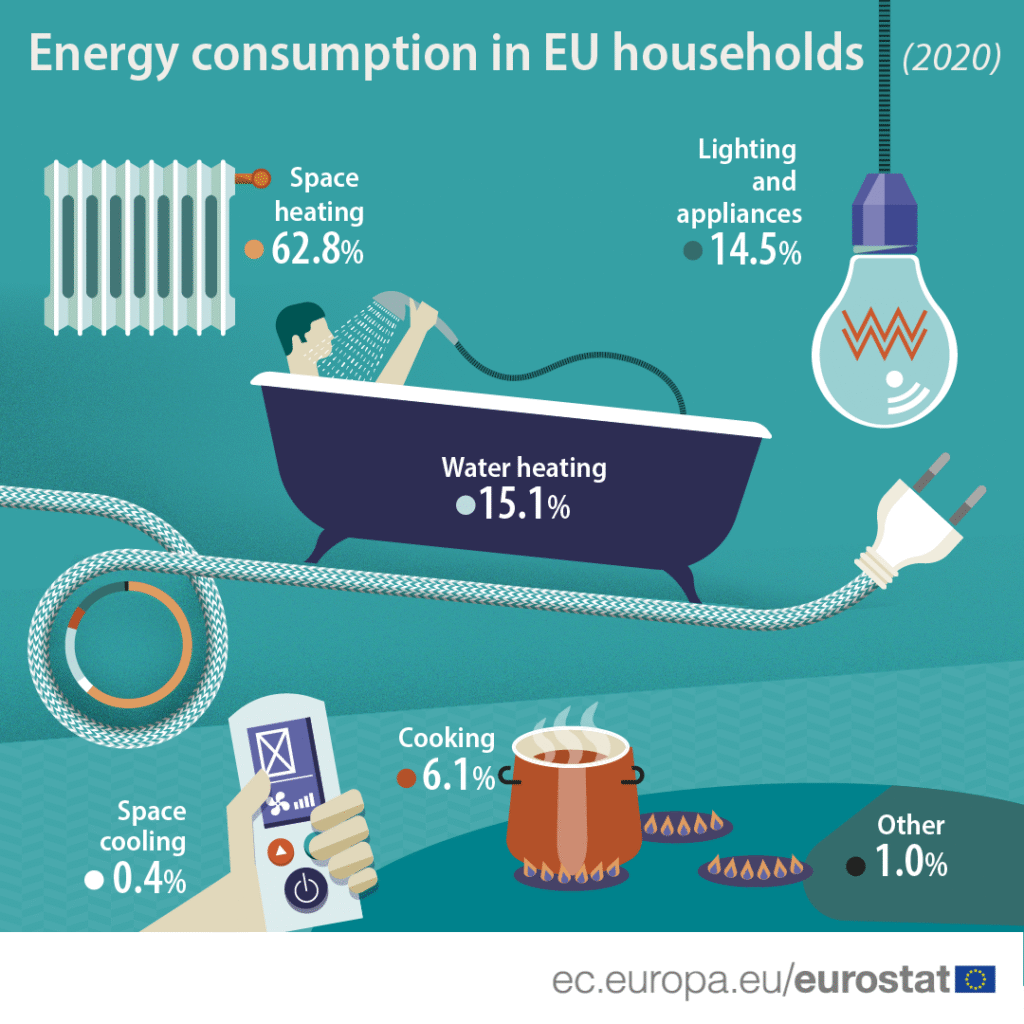
An estimated seventy percent of global climate pollution can be traced to household consumption decisions. These include mobility (cars and planes), diet (for example meat and dairy) and housing (heating and cooling). The remaining emissions come from government spending infrastructure.
We can affect our climate and reduce emissions by our individual and collective actions in both our private and professional lives. While industrial and governmental action is crucial, individual lifestyle changes in areas like diet, transportation, and home energy use are essential for meeting global climate goals.
De-carbonising electricity and heat production in our homes is a first necessary step. And it will save us money.
This page offers practical resources: how to change your energy system, government policy, grants, funding and how to access it, steps you can take and how we – Halesworth ASH or other organisations within Halesworth – can support you.
We have an ENERGY CHAMPION! William works with us 2 days a month to support our community to de-carbonise. If you would like to become an energy champion and work with us, let us know.
We have a BASELINE study – commissioned by Opergy – to help us find a clear pathway as well as measure our steps to 2030.
We have the full support of our Town Council and work closely with Blyth Valley Churches. We have Green Councillors, District and County, who support us.
Past Energy Meetings
Jan 2024 – Home Energy Solutions and challenges
green-energy-meeting-27-january-2024pdf
hash-energy-report-for-community-news
Report here of our first use of Thermal Imaging camera around Halesworth residents.
Insulation resources